cerita keren So-called "Priest King" statue, Mohenjo-daro, late Mature Harappan period, National Museum, Karachi, Pakistan.


The Parthenon, a former temple (Athens, c. 430 BC). The Victorious Youth, a controversial Greek bronze (Greece, c. 300–100 BC). Ancient Theatre of Epidaurus, seats up to 14,000 people (Epidaurus, c. 150 BC).
.jpg) Iddin-Sin, King of the Simurrum. The Simurrum, a mountain tribe, were vanquished by the armies of the Third Dynasty of Ur, circa 2000 BC (detail)
Iddin-Sin, King of the Simurrum. The Simurrum, a mountain tribe, were vanquished by the armies of the Third Dynasty of Ur, circa 2000 BC (detail) An architectural foundation-nail figurine depicting king Amar-Sin himself carrying the builder's wicker traybasket.[11] His name translates to 'immortal moon-god'.
 The last king of the Ur III dynasty King Ibbi-Sin (c.2028–2004 BC) enthroned, with standing goddess.[21]


.jpg) Amorite man, depicted in the royal palace adjacent to the temple of Medinet Habu, from the reign of Ramesses III, Egypt, c. 1182-1151 BC.
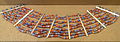
Amorite man, depicted in the royal palace adjacent to the temple of Medinet Habu, from the reign of Ramesses III, Egypt, c. 1182-1151 BC. Some of the carnelian beads in this necklace from the Royal Tombs of Ur are thought to have come from the Indus Valley.[33]
 Detail of a Sumerian statuette for "lugal" (king) Lugaldalu of Adab.
 Statuette of a man, Early Dynastic Period II, circa 2700 BC, Khafadje. Louvre Museum, reference AO 188886
 One fragment of the Stele of the Vultures showing king Eannatum as a military charioteer. Dated to c. 2450 BC. Currently in the Louvre Museum.
 Statue of a male figure, recovered from Tell Asmar
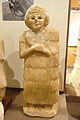 Statue of a female figure, recovered from Khafajah
 Statue of a kneeling male figure holding a vase, recovered from Tell Agrab
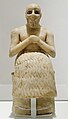 Statue of Ebih-Il, recovered from Mari (ED IIIb)
 Stone statue of Kurlil, Early Dynastic III, 2500 BC Tell Al-'Ubaid.
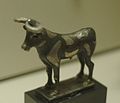 Statue of a bull (ED III)
 Vessel stand in the shape of an ibex. Copper-based alloy with nacre and lapis lazuli inlays, created with the lost-wax method (ED III)
 Reconstructed headgear of Puabi, found in the Royal Cemetery at Ur (ED III)
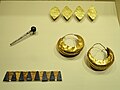 Gold objects from the Royal Cemetery at Ur
 Limestone Statue of the Steward Mery, Ancient Egypt 11th Dynasty, First Intermediate Period
 Cycladic idol, Parian marble; 1.5 m high (largest known example of Cycladic sculpture. 2800–2300 BC
 Female statuette found at Monte d'Accoddi
 Female statuettes at the Museo Archeologico Nazionale G.A. Sanna
 Baden culture ceramic
 So-called "Priest King" statue, Mohenjo-daro, late Mature Harappan period, National Museum, Karachi, Pakistan.

Cartouche name of Hotepsekhemwy in the Abydos King List (cartouche no. 9).-
 Bust of Melqart at the National Museum of Denmark
 Figurine of a Deity from Tyre, 7th c. BCE, National Museum of Beirut
 Figurines of Musicians from Tyre, Iron Age II, National Museum of Beirut
 Seated woman with tiara, uncovered at Tyre, 6th c. BCE, Louvre Museum
 Bearer of a duck offering uncovered in Tyre area, exhibited at Beirut Airport
 Persian style bull protome found in Sidon gives testimony of the Aecheminid rule and influence. Marble, 5th century BC
 Head from the figure of a woman, 2700 BC–2300 BC, Keros culture
 Harp player from Keros, 2600 BC. National Archaeological Museum, Athens
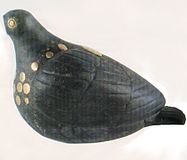 A 4.5 inch long lapis lazuli dove is studded with gold pegs. Dated 1200 BC from Susa, a city later on shared with the Achaemenids.
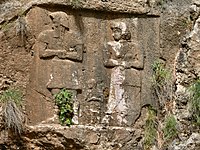 Elamite reliefs at Eshkaft-e Salman. The picture of a woman with dignity shows the importance of women in the Elamite era.[opinion]
A carved chlorite vase decorated with a relief depicting a "two-horned" figure wrestling with serpent goddesses. The Elamite artifact was discovered by Iran's border police in the possession of historical heritage traffickers, en route to Turkey, and was confiscated. Style is determined to be from "Jiroft".[citation needed]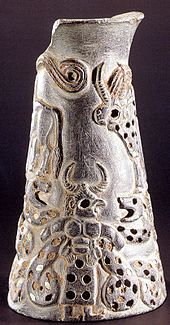
 Statue of Napirasu
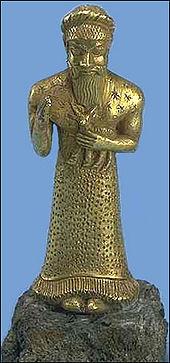 Golden statuette of a man (probably a king) carrying a goat. Susa, Iran, c.1500–1200 BC (Middle Elamite period)
ššina, one of the last kings of Elam circa 522 BC was toppled, enchained and killed by Darius the Great. The label over him says: "This is ššina. He lied, saying "I am king of Elam.""[41] 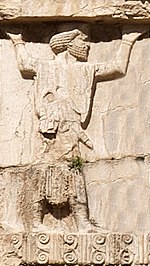 Elamite soldier in the Achaemenid army circa 470 BCE, Xerxes I tomb relief.
 Stele of Untash Napirisha, king of Anshan and Susa. Sandstone, ca. 1340–1300 BC.
 Orant figure, Susa IV, 2700–2340 BC.
 Silver cup with linear-Elamite inscription on it. Late 3rd millennium BC. National Museum of Iran.
 Kneeling Bull with Vessel. Kneeling bull holding a spouted vessel, Proto-Elamite period, (3100–2900 BC)[14] Metropolitan Museum of Art, ref. 66.173
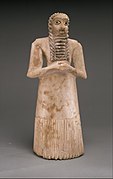 Standing male worshiper, Mesopotamian, 2750-2600 BC(?)
 Sphinx, c. 530 BC
 Busto de Anicia Iuliana, Roman
 Roman c. 430
 Book Cover with Byzantine Icon of the Crucifixion, before 1085
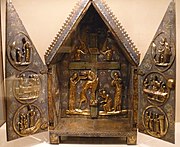 Tabernacle of Cherves, c. 1220–1230
 Spanish Processional Cross, late 11th – early 12th century, Asturias
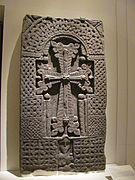 Khatchkar. Basalt
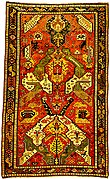 Alpan carpet, 1800s
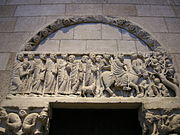 Scuola di biduino, portale da san leonardo al frigido, vicino massa carrara, c. 1170-80
 Tomb of Ermengol IX of Urgell (died 1243)
 The Crucified Christ, c. 1300, Northern Europe
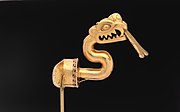
 Attributed to Jean de Touyl (French, died 1349), Reliquary Shrine from the convent of the Poor Clares at Buda
 Attributed to Jean Le Noir or follower, Psalter of Bonne de Luxembourg, 14th-c illuminated manuscript
 Doorway in granite, in oak, France, Limousin, 15th c, Aixe sur Vienne
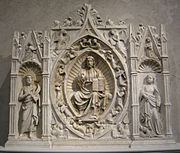 Andrea da Giona, Altarpiece with Christ in Majesty, c. 1434
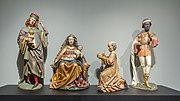 Schwaben, c. 1489
 Aldobrandini Tazza of the Roman emperor Vitellius, c.1590s

 Andre-Charles Boulle (November 11, 1642 – February 29, 1732) – Commode
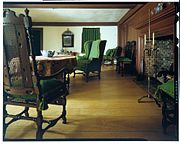 Interior of the early colonial home of John Wentworth, lieutenant governor of New Hampshire
Selected paintings

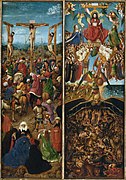
 Rogier van der Weyden, Polyptych with the Nativity, c. 1450

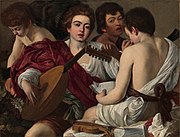

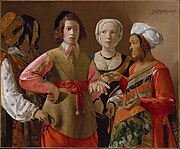
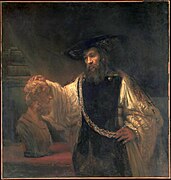 Rembrandt, Aristotle Contemplating the Bust of Homer, 1653
 Francisco Goya, Don Manuel Osorio Manrique de Zúñiga, 1777-1778
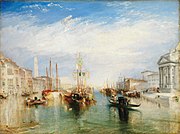 J.M.W. Turner, The Grand Canal, 1835

 Eugène Delacroix, Christ Asleep during the Tempest, 1853

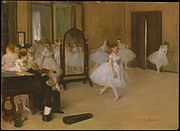 Edgar Degas, The Dancing Class, 1872

 Pierre-Auguste Renoir, Mme. Charpentier and Her Children, 1878
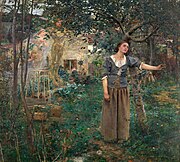 Jules Bastien-Lepage, Jeanne d'Arc (Joan of Arc), 1879
 Paul Cézanne, Madame Cézanne (Hortense Fiquet, 1850–1922) in a Red Dress, 1888–90
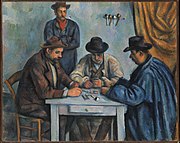
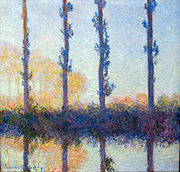
 Paul Gauguin, The Midday Nap, 1894


 Pablo Picasso, l'Acteur (The Actor), 1904–05


 Georges Braque, Still Life with Mandola and Metronome, late 1909
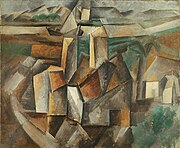 Pablo Picasso, The Oil Mill (Moulin à huile), 1909
 Pablo Picasso, Still Life with a Bottle of Rum, 1911
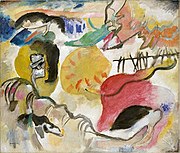
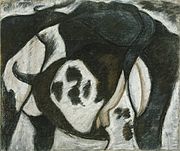 Arthur Dove, Cow, 1914
-
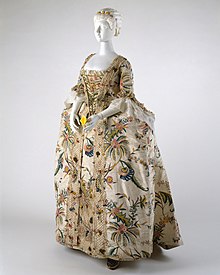 Robe à la française 1740s, as seen in one of the exhibits at the Costume Institute.
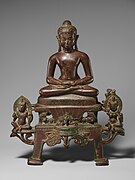
 Tirthankara lord Neminatha from Akota Bronzes, 7th century
Egyptian art
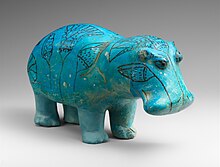 William the Hippopotamus is a mascot of the MetMummy, Metropolitan Museum of Art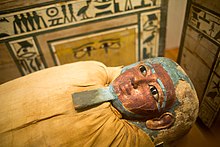
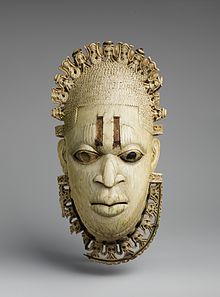 Benin ivory mask, Iyoba, 16th-century Nigeria
Collections Section Rooms Sample inventories Prehistoric Collection
(Neolithic, Cycladic, Mycenaean)3-6 and 48[7] 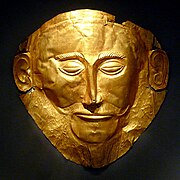 The Mask of Agamemnon, a gold funeral mask, dated 1550–1500 BC
 Gold elliptical funeral diadems from Shaft Grave III (Grave Circle A, Mycenae)
 Mycenean gold cups from Grave IV and V
Sculptures Collection 7-34  The bronze statue of Zeus or Poseidon, the Artemision Bronze in room 15
 Varvakeios Athena, replica of Athena Parthenos
 Statue of Asklepius. Roman copy (c.160 AD), from a 4th-century BC Greek original
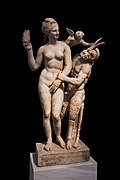 Aphrodite,Pan and Eros complex.
Vase and Minor Objects Collection (Including Stathatos and Vlastos-Serpieris collections) 42[8] and 49-56[9]  Attic vase depicting Chimera
 Bronze pitchers
Santorini Collection 48 Metallurgy Collection 36-39  The Antikythera mechanism (main fragment) in room 38
 The philosopher's head from the Antikythera wreck
 Bronze pitcher
Egyptian and Near Eastern Antiquities Collection 40-41  Egyptian funerary mask
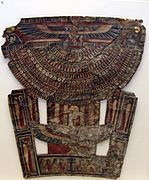 Egyptian Necklace
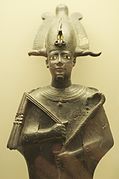 Statue
Epigraphical Museum 1, 9 & 11 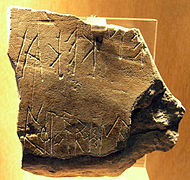 The oldest attic epigraphy, 8th century BC Boustrophédon, in room 11
 Detail of a part of the sacred law of the Acropolis and the Hékatompédon, 485/4 BC
 Honorific decree, 313–312 BC.
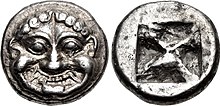 The earliest coinage of Athens, circa 545-525/15 BC
 Statue of Andreas Miaoulis
 A bust of Pherecydes
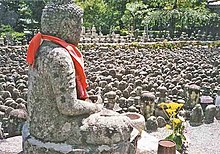 Adashino Nembutsuji in Kyoto, Japan stands on a site where Japanese people once abandoned the bodies of the dead without burial


.JPG)


.jpg)


_MET_DP273206.jpg)


.jpg)


.jpg)


_in_a_Red_Dress,_oil_on_canvas,_116.5_x_89.5_cm,_The_Metropolitan_Museum_of_Art,_New_York.jpg)


.JPG)


,_oil_on_canvas,_81_x_54.1_cm,_Metropolitan_Museum_of_Art.jpg)
,_oil_on_canvas,_38.1_x_45.7_cm_(15_x_18_in.),_Metropolitan_Museum_of_Art.jpg)


.JPG)


_(3470740119).jpg)


.jpg)


.jpg)
.jpg)
1418-8th_century_boustrophedo-1.JPG)
48-Sacred_law-3.JPG)
218-219-Halai_honorific_decree-2.JPG)


Comments
Post a Comment